5 Ways to Care for Your Septic Tank

Updated: Aug 5

A septic tank is one of those systems that quietly does its job in the background, until it doesn’t. And when things go wrong, it can quickly become messy, inconvenient, and expensive to fix.
The good news is that most septic issues are preventable. With a few simple habits and a bit of regular care, you can keep your system running reliably for years.
Here are five practical ways to look after your septic tank.

1. Be careful about what goes down your drains
Your septic system depends on a healthy balance of natural bacteria to break down waste. When the wrong things enter the system, that balance is disrupted and solids can build up faster than they should.
Everyday items like wet wipes, sanitary products, cooking fats, oils, and harsh cleaning chemicals are common culprits. Even products labelled “flushable” often don’t break down properly once they reach your tank.
As a general rule, only human waste and toilet paper should be flushed. Everything else is better kept out of the system entirely.
2. Keep an eye on water usage
Septic systems are designed to handle a certain flow of water. When too much water enters the system too quickly, it doesn’t have enough time to properly separate solids and treat waste.
Simple changes can make a big difference. Spreading out laundry loads across the week, fixing leaking taps or toilets promptly, and avoiding multiple high-water appliances running at the same time can all reduce unnecessary strain.
It’s not about using less water overall—it’s about using it more evenly.
3. Look after your drain field
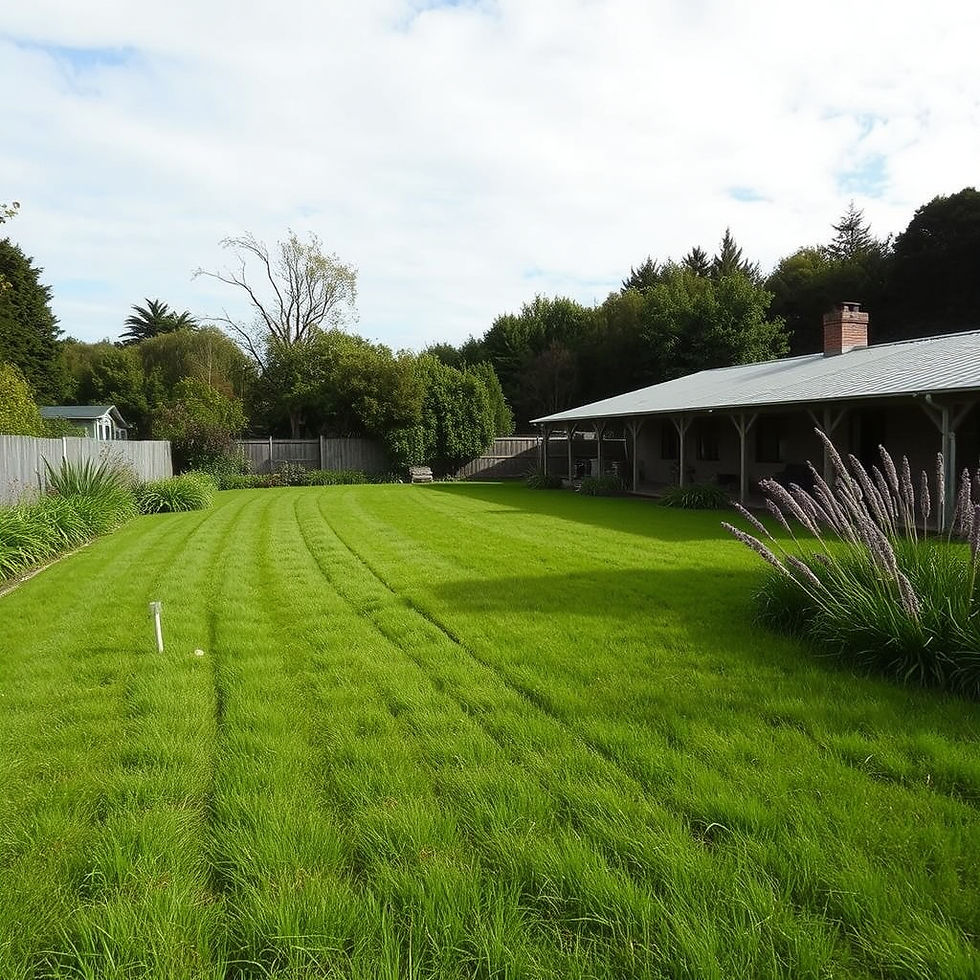
The drain field is just as important as the tank itself. This is where treated wastewater is filtered back into the soil, and it needs to stay in good condition to work properly.
Heavy vehicles, structures, or even consistent foot traffic can compact the soil and reduce its ability to absorb water. Tree roots can also cause damage if they grow too close.
Keeping this area clear, well-drained, and protected helps prevent surface pooling and system failure.
4. Stay on top of inspections and maintenance
Even well-maintained septic systems need regular servicing. Over time, solid waste naturally accumulates and needs to be removed before it causes blockages or overflow issues.
Most systems benefit from an inspection every one to three years, with pump-outs typically required every three to five years depending on household size and usage.
Regular checks also give you a chance to catch small issues early, before they turn into major repairs.

5. Pay attention to early warning signs
Septic systems usually give warning signs before they fail completely. Slow drains, gurgling pipes, unpleasant smells near drains or outside the tank area, and unusually wet patches in the yard are all worth taking seriously.
Inside the home, even minor backups or changes in flushing behaviour can indicate a developing issue. Acting early can often prevent a full system failure and significantly reduce repair costs.
Final thoughts
Looking after a septic system doesn’t require constant attention. Just consistent, sensible habits. What goes into the system, how water is used, and whether maintenance is kept up all play a role in how well it performs over time.
If something doesn’t feel right, it’s always worth getting it checked sooner rather than later. Small problems are usually simple to fix when caught early.
Comments